 2026-09-15
Designing a Project Space Before the Work Begins
Establish clear structural foundations, naming rules, and default access levels before inviting contributors to avoid early workspace confusion.
2026-09-15
Establish clear structural foundations, naming rules, and default access levels before inviting contributors to avoid early workspace confusion.
 2026-08-28
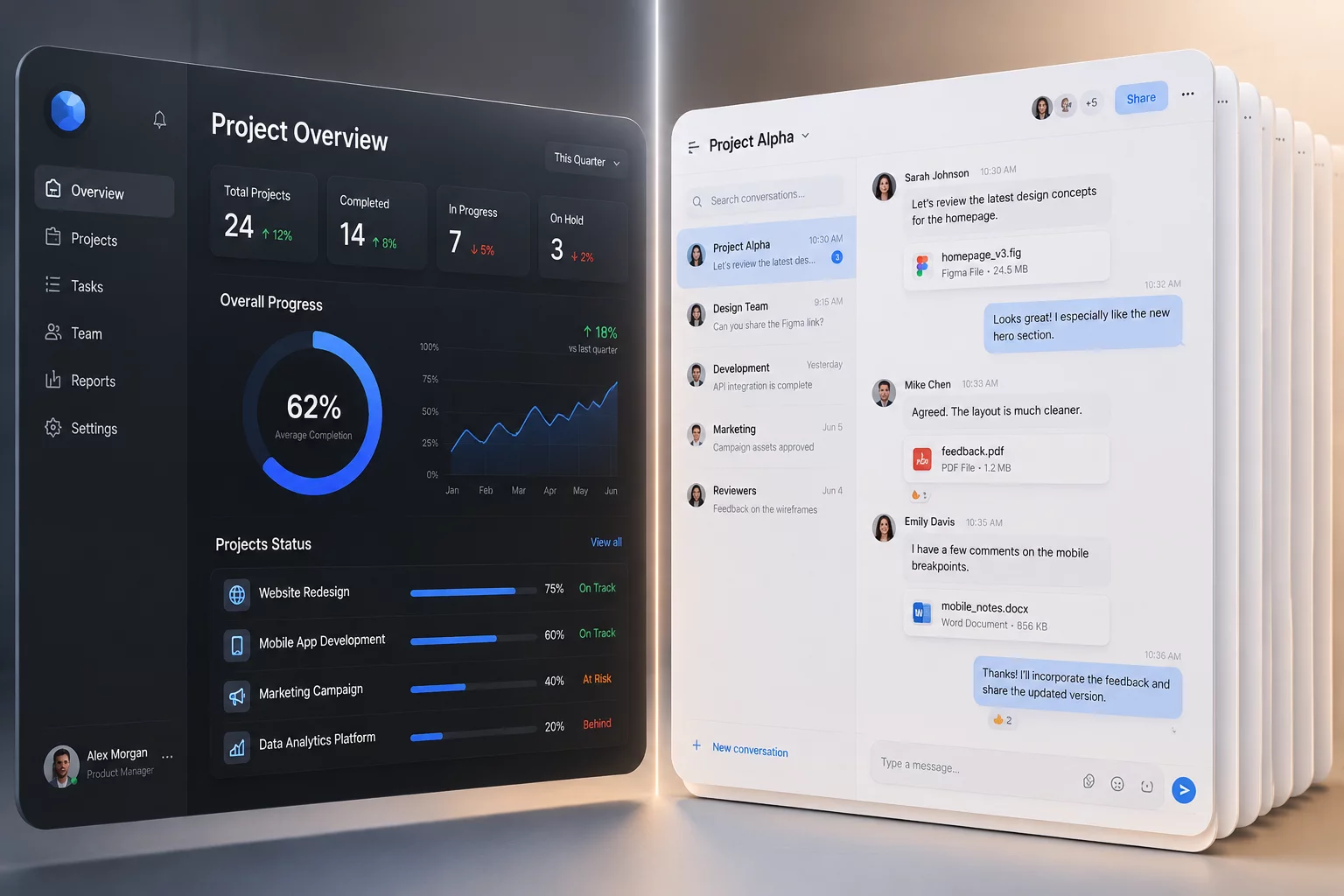
Implement distinct communication channels for high-level milestone announcements versus granular technical issue threads.
 2026-08-05
Seamlessly onboard external partners or internal cross-functional groups without cluttering existing directories or breaching boundaries.
 2026-07-15
Preserve historical decisions, retain compliance documentation, and convert active project boards into lightweight read-only archives.
 2026-09-10
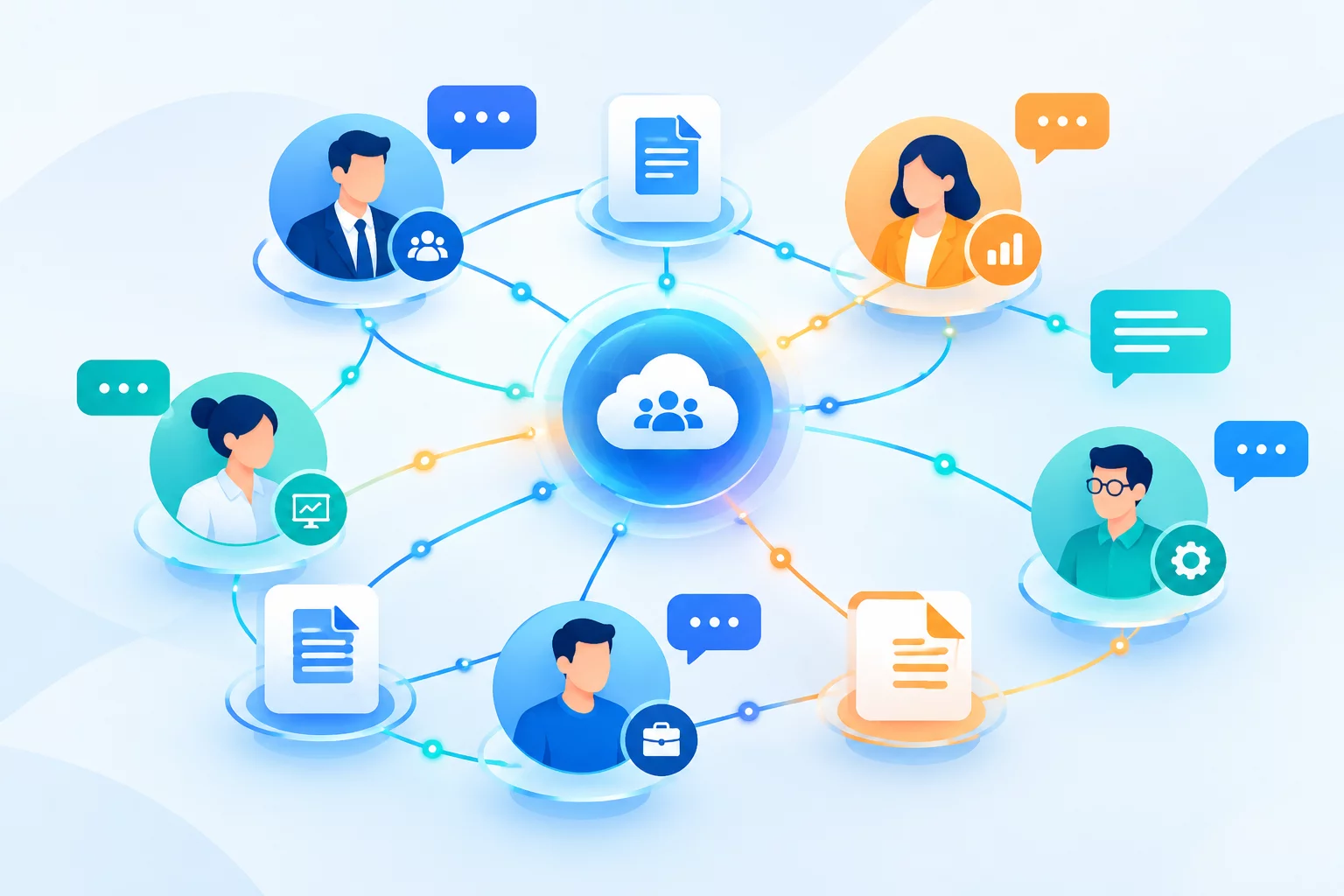
Structure multi-channel setups without fragmenting daily operational context across departments, leads, and client representatives.
 2026-08-20
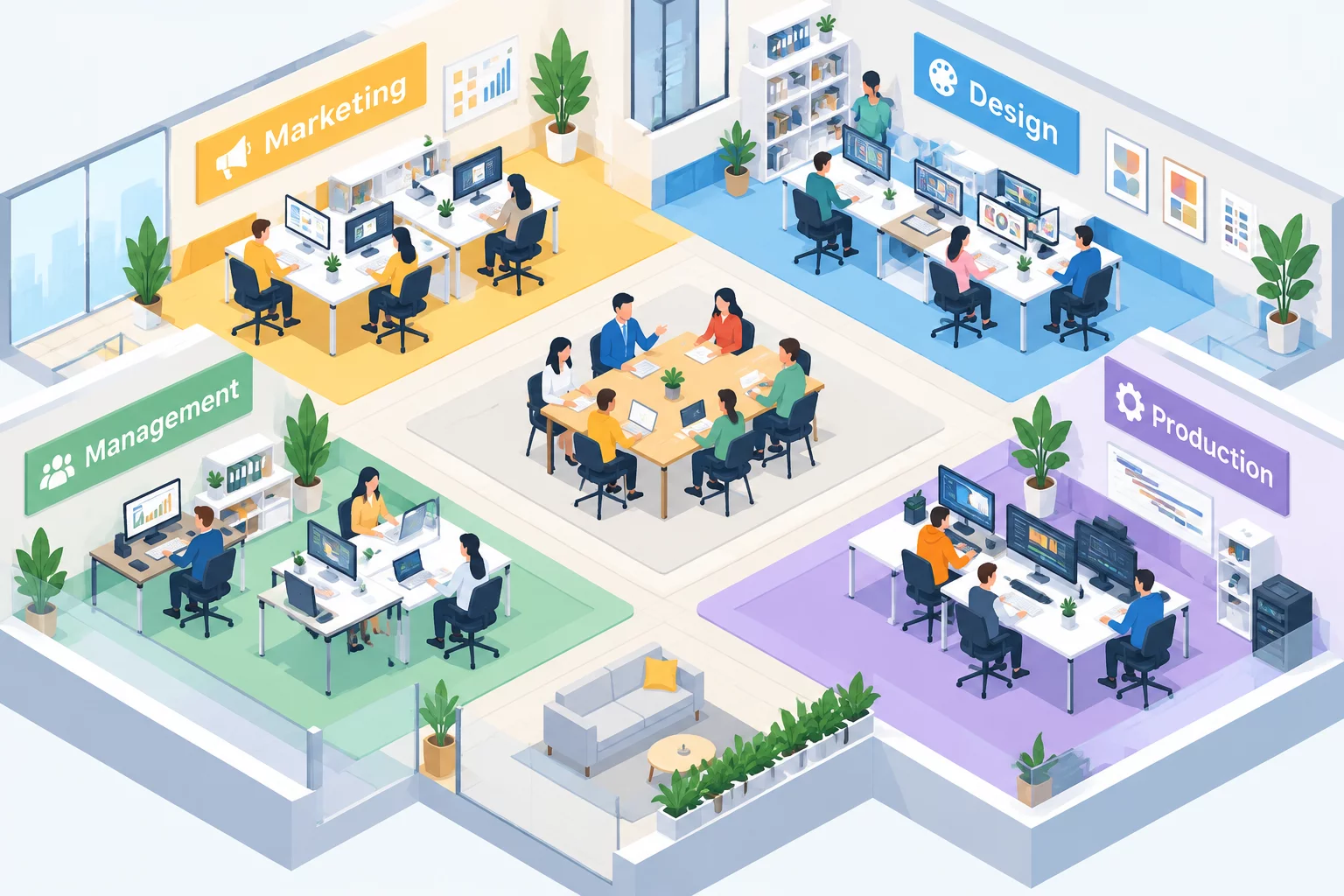
Coordinate cross-functional initiatives involving Engineering, Design, Marketing, and Operations inside unified directory standards.
 2026-07-28
Maintain clarity as projects scale, establishing indexing routines and regular backlog pruning to preserve high usability.
 2026-09-05
Clarify accountability, document custody, and administrative roles to avoid abandoned folders and conflicting asset revisions.
 2026-08-15
Group assets by functional workflows rather than rigid nested trees, speeding up everyday discovery for active project tasks.
 2026-07-20
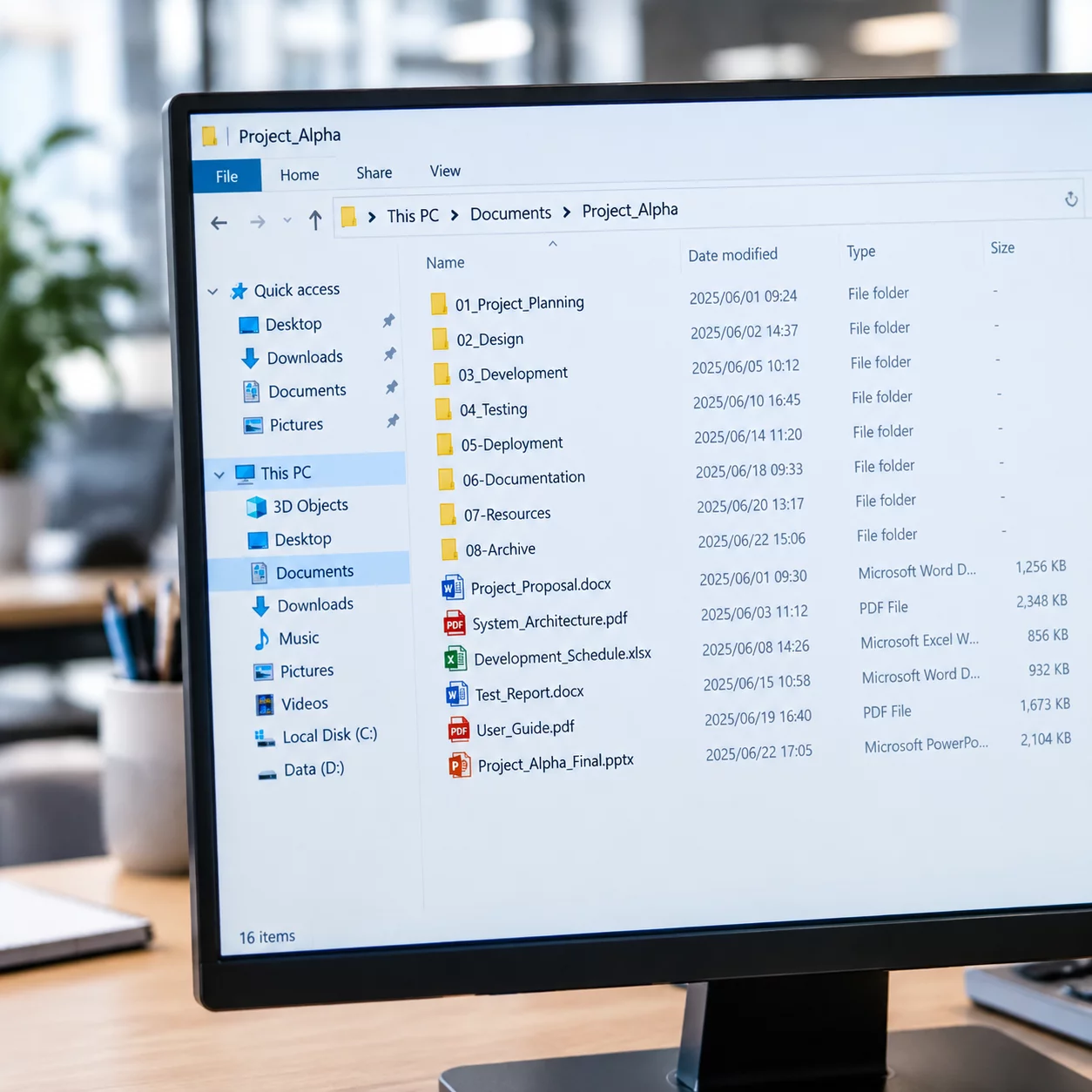
Define intuitive syntax rules for versions, deliverables, and briefs to ensure effortless searchability across team repositories.
Try modifying your search criteria or selecting a different category filter.